

Fire To Fork
Created By Cawston Encounters
In an age where luxury safaris often lean heavily on polished finishes and modern conveniences, there is something quietly extraordinary about experience earned the old way – over time, through fire, instinct, and repetition.
At Cawston Encounters, that experience lives in the kitchen.
Charles, our chef, has been part of the Cawston story for more than 30 years. His journey didn’t begin behind a stove, but on the ground – as a general labourer.
From there he moved steadily through the ranks: assistant gardener, bottle washer, and eventually into the kitchen itself. Not through formal training or culinary school, but through observation, patience, and an unwavering willingness to learn.
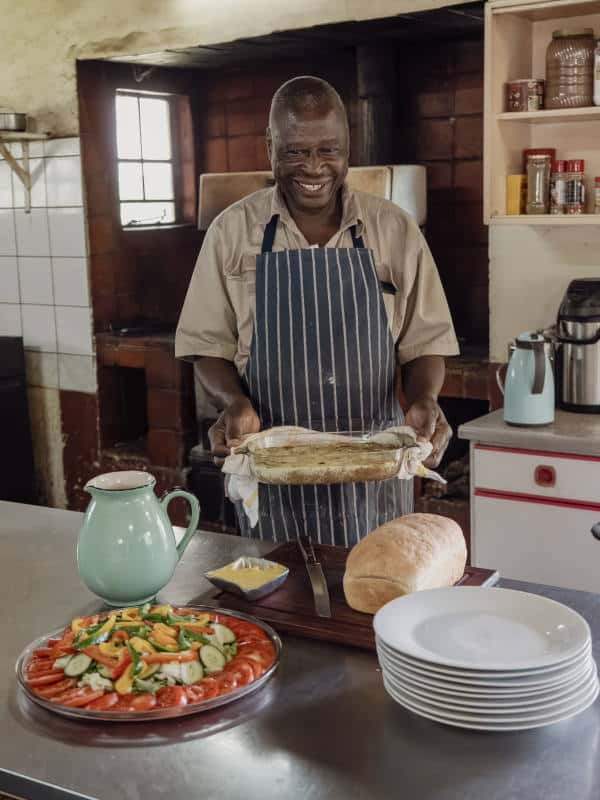
He began with the basics. Bread, mixed and kneaded by hand. Vegetables, prepped with care and consistency. Slowly, over the years, those fundamentals evolved into something far more refined – layered dishes, perfectly balanced roasts, and desserts that guests still talk about long after their safari has ended.
Mobile Safari Mastery
But it was on mobile safaris where Charles truly came into his own.
Armed with little more than a carefully planned menu, he would pack what was needed and head out into the bush. There, far from the comforts of a lodge kitchen, he would build something from almost nothing — a rudimentary cooking space, a fire, and his knowledge of heat.
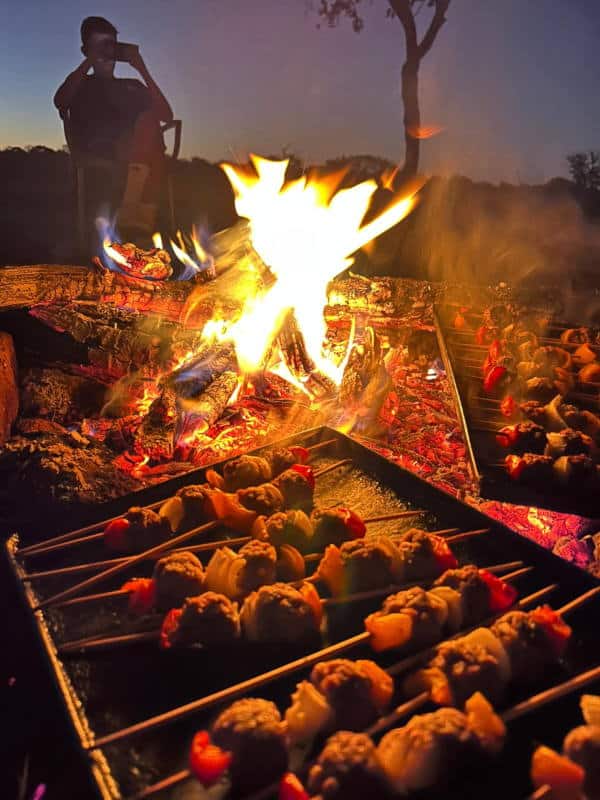
Bread would bake in the embers. Roasts would be coaxed into tenderness through precise fire control. Desserts – somehow – would emerge, delicate and perfectly timed, from an environment that demanded adaptability at every turn.
A paraffin fridge kept ingredients cool. Everything else relied on instinct.
This is bush cooking in its truest form.
A Natural Culinary Talent
Today, Charles works across gas, wood, and electric stoves with equal ease. Years of experience mean he understands heat not as a setting, but as a living variable.
During power outages – a reality in Zimbabwe – he continues without hesitation, capable of preparing meals for 30 guests as seamlessly as if nothing had changed.
It’s not something that can be easily taught.
Ask him how he knows when meat is ready, and the answer isn’t technical. He’ll press it gently, reading the resistance, the “give,” and from that alone he knows exactly what the oven – or fire – needs next.
A true fire to fork skill. It’s a skill built over decades, one that sits somewhere between intuition and mastery.
Guests notice.
They talk about the tenderness of his meat dishes – consistently perfect, never overworked. They come back for his malva pudding, a South African classic that he executes with quiet precision.
And then there are the everyday elements – the dishes he can make “in his sleep” – which, in many ways, are the hardest to perfect.
Yet despite all this experience, what stands out most is that Charles is still learning.
Introduce a new dish, and there’s a spark of excitement. A willingness to try, to adapt, to make it his own. It’s this combination – deep-rooted knowledge paired with ongoing curiosity – that keeps his cooking alive, rather than static.
Fresh Baked From The Fire And Oven
And then there’s the bread.
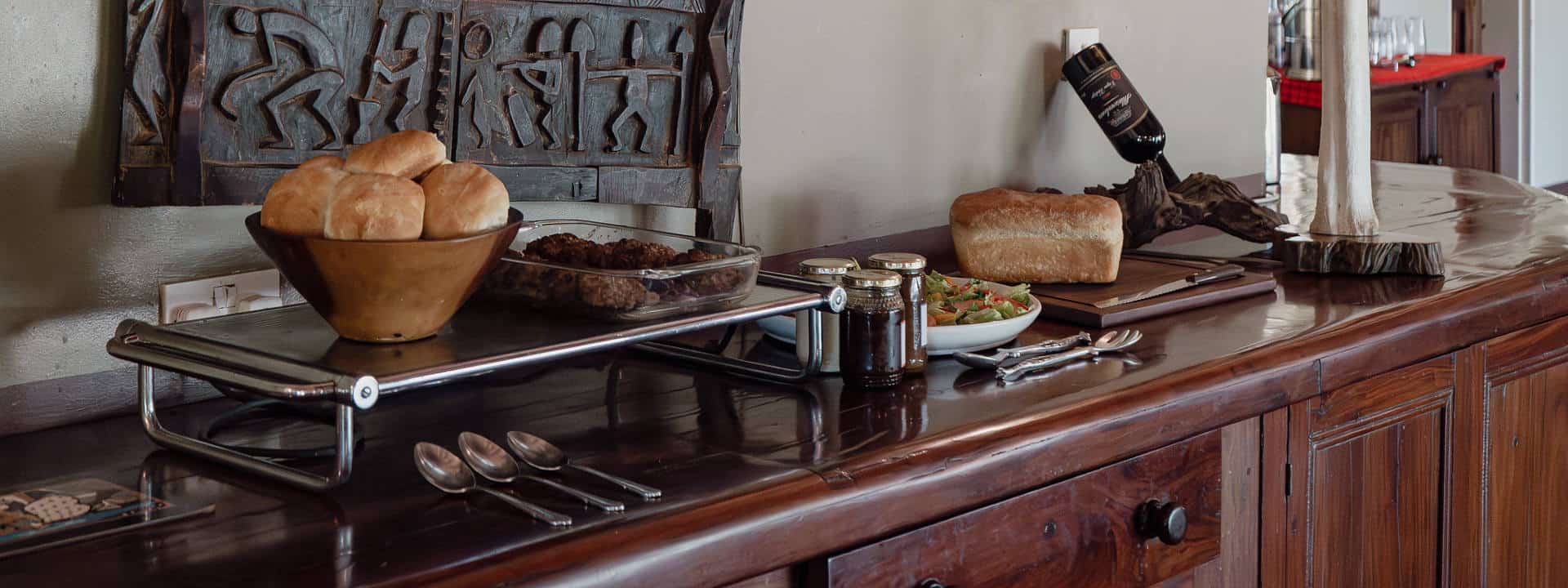
Every day, without fail, fresh bread is made by hand. For guests heading out early, packed lunches are prepared with the same level of care. Charles will come in before sunrise to ensure that rolls are baked fresh – not because it’s required, but because that’s the standard he holds himself to.
It’s easy to overlook food as just one part of a safari experience. But in reality, it anchors the day. It’s what brings people together after hours spent tracking, riding, or exploring.
It’s where stories are shared, where moments are relived, and where the pace slows just enough to take it all in.
The Cawston Encounters Experience
At Cawston Encounters, that experience is shaped not by elaborate presentation or fleeting trends, but by something far more meaningful – consistency, care, and a lifetime of craft.
In a world that moves quickly, there is something deeply reassuring about that.
And perhaps that’s what guests remember most.
Found this article insightful or useful ? Share the love…