
Photography
Zimbabwe Photographic Safaris
Capture The Beauty Of Africa On Our Photographic Safaris
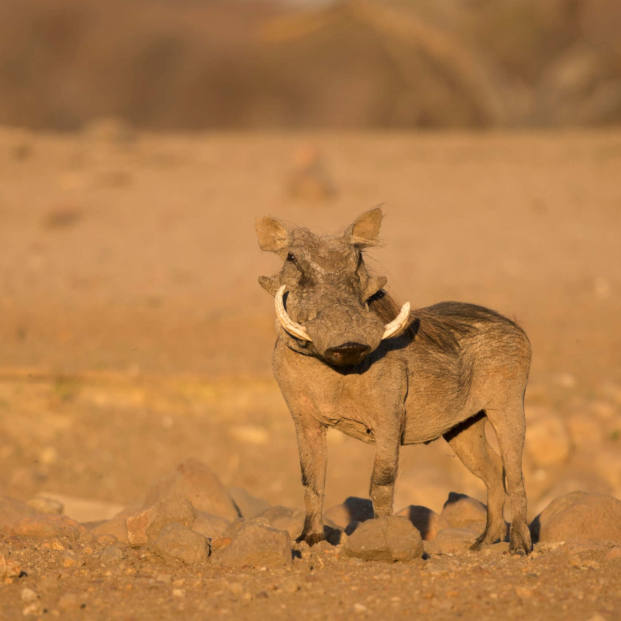
Cawston offers unlimited Zimbabwe photographic opportunities on our working ranch. Record our wildlife and birdlife, as well as other aspects of the ranch including the horses, our local community and anti-poaching activities.
Zimbabwe Photographic Safaris
Whether photography is the sole purpose of your visit or simply part of it, the rewards are rich for those who carry a camera.
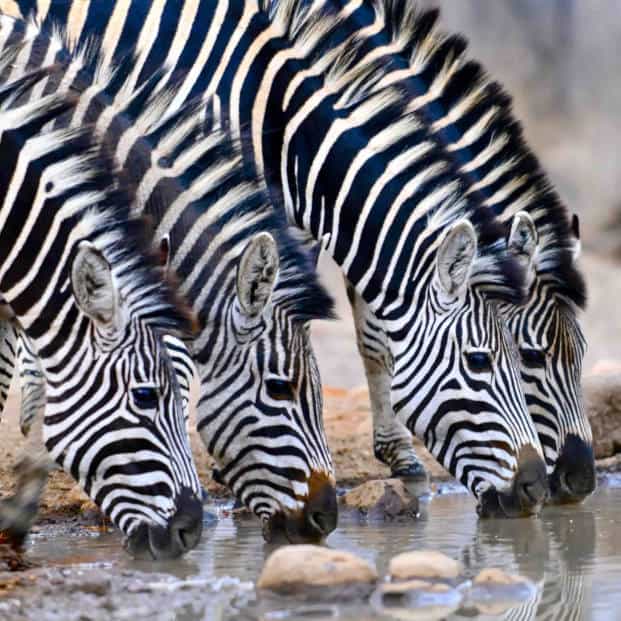
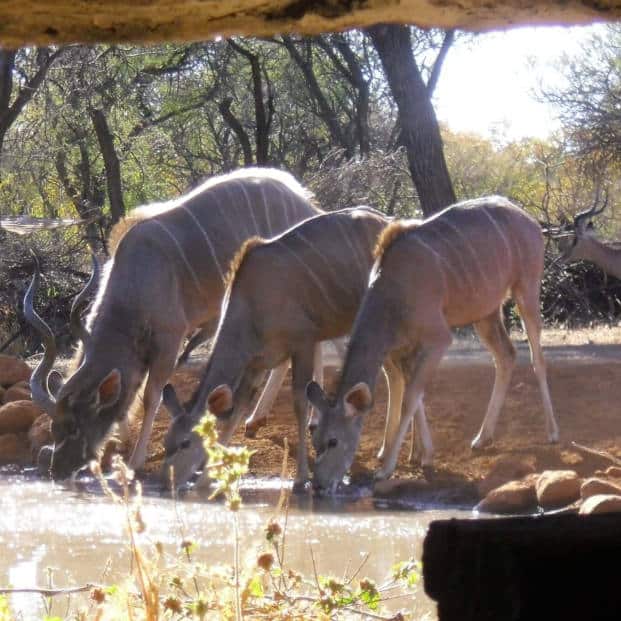
Alongside the usual viewing of wildlife on game drives, we have sunken blinds that put you at water level with whatever comes to drink.
We also have a vulture viewing hide, and a variety of activities such as our anti-poaching team working in the background to maintain this property, all of which can make great subjects.
What You Can Photograph Here
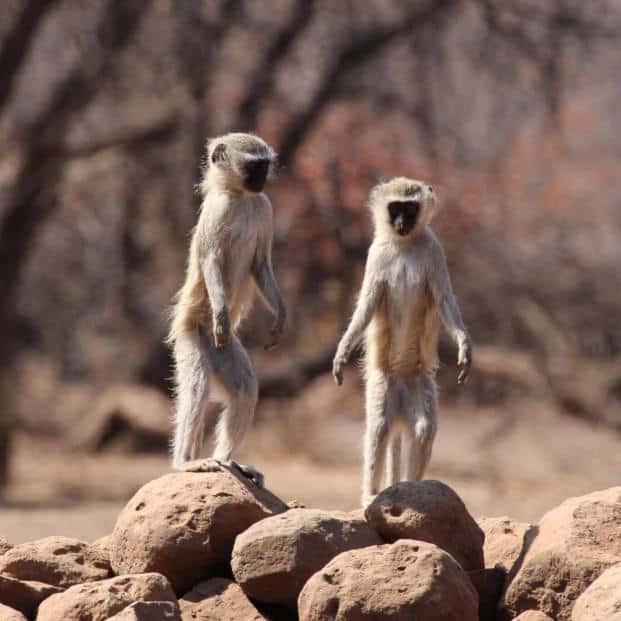
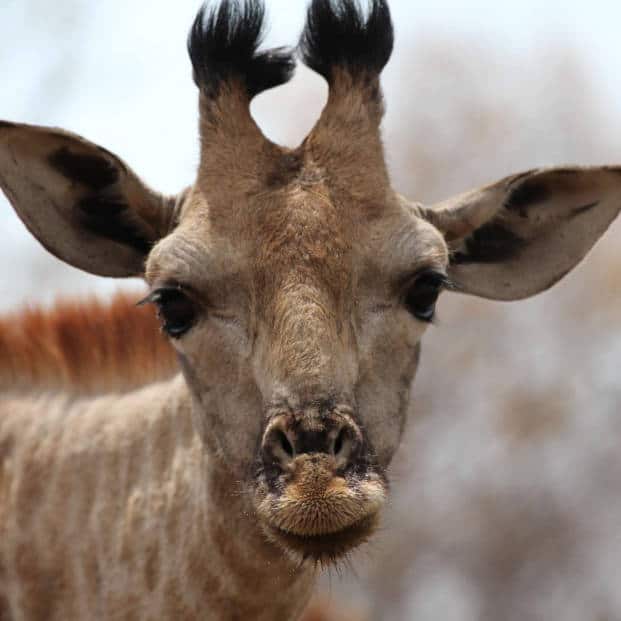
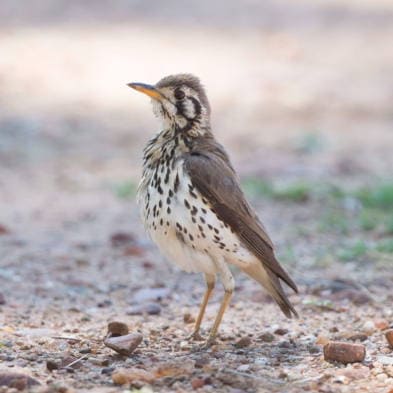
Photographic opportunities at Cawston are as varied as the ranch itself. Over 300 bird species, a wide range of mammals, reptiles, insects, and plant life occur across our 32,000 acres of wilderness.
A big telephoto lens will keep you busy from dawn until the light fails. A macro lens will keep you equally occupied without ever leaving the immediate area around Camp.
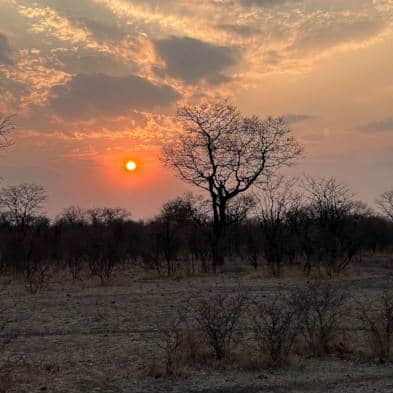
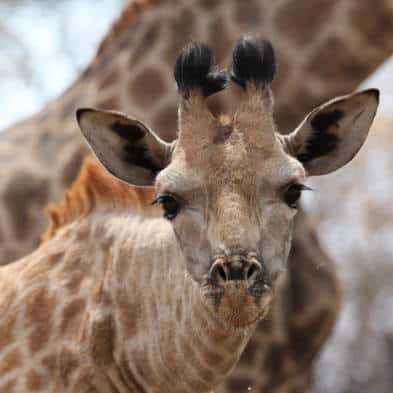
After dark, the night skies above Cawston are exceptional — far enough from any town that light pollution is not a factor, and clear enough on most nights for serious astro photography. Night drives or time at blinds can be arranged for sighting of nocturnal species, such as nightjars, genets, leopard, hyena and if fortune is genuinely on your side, pangolin and aardvark — among the most sought-after and rarely photographed mammals in Africa.
In the summer months, there are plenty of dragonflies, butterflies, and moths, as well as beautiful flowers for those who like to do a bit of macro photography.
The Hides
Cawston’s ground-level and sunken hides are positioned no further than 25 metres from the water’s edge at several waterholes across the property. When standing inside, you are at chest height with the ground surface — placing your lens at or below the eyeline of approaching wildlife.
A lower perspective places animals in their environment, creates a more compelling backdrop, and compresses foreground and background in a way that isolates your subject from visual clutter. A tripod or monopod is strongly recommended here.
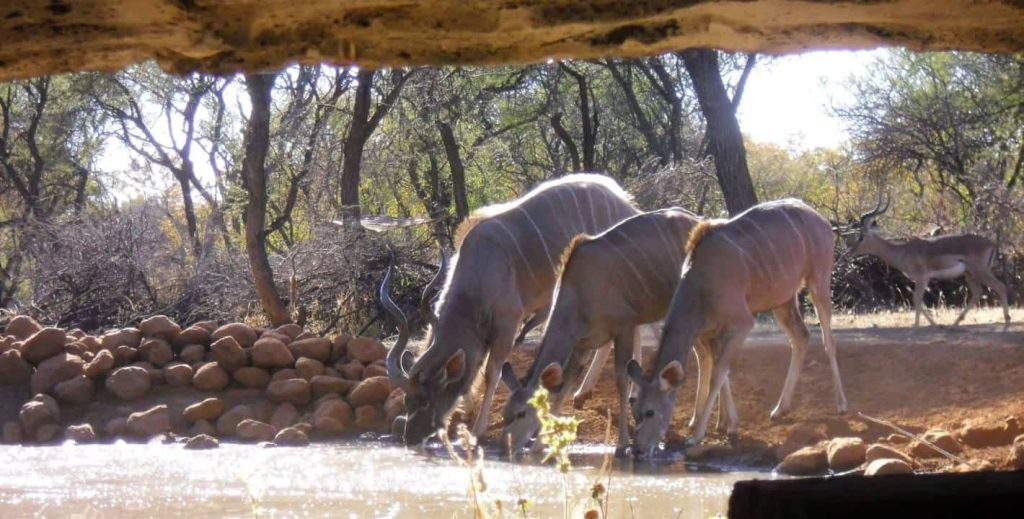
Each hide sits within a different habitat: hardwood forest, mopane woodland, or acacia scrub, giving each a distinct backdrop and species mix. Additional bird baths have been installed at some sites to draw smaller species into the frame. With no other guests competing for hide time, you can settle in and let the scene build at its own pace.
Species regularly visiting the waterholes include giraffe, zebra, kudu, impala, wildebeest, and warthog, alongside raptors and various birds. Early mornings and late afternoons — the best light of the day — are also peak movement times. Game drives can be combined with hide sessions for guests who want to cover both vehicle-based and ground-level photography in a single day.
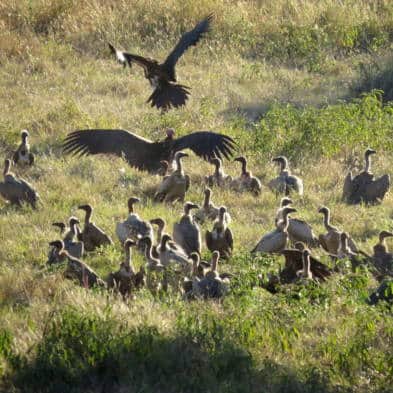
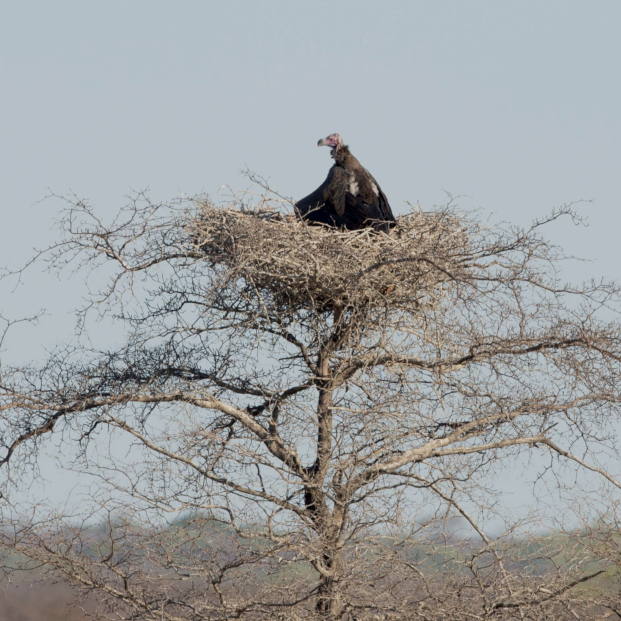
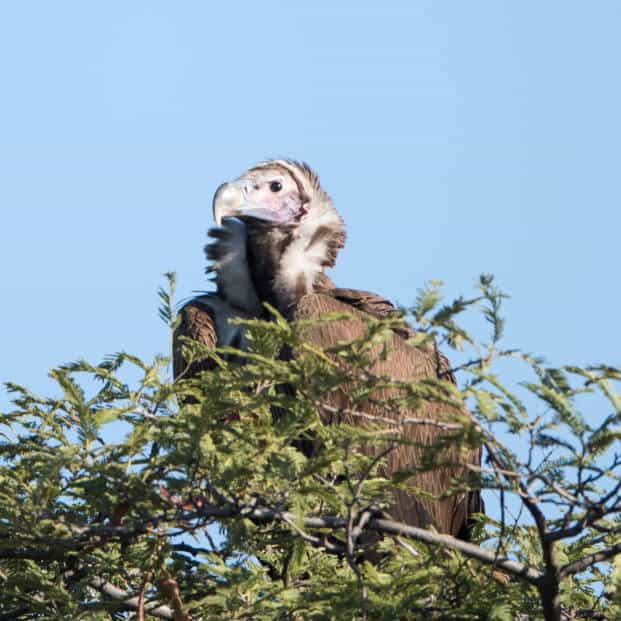
The Vulture Restaurant Hide
The vulture restaurant has a dedicated hide built directly facing the feeding site, with space for up to four photographers at any one time.
For focal length, anything up to 500mm works well — longer lenses are usable but at close range some subjects will exceed the frame.
This is one situation where a wider zoom earns its place in the bag alongside the telephoto. A tripod or monopod is strongly recommended here.
Beyond The Wildlife – Ranch Access
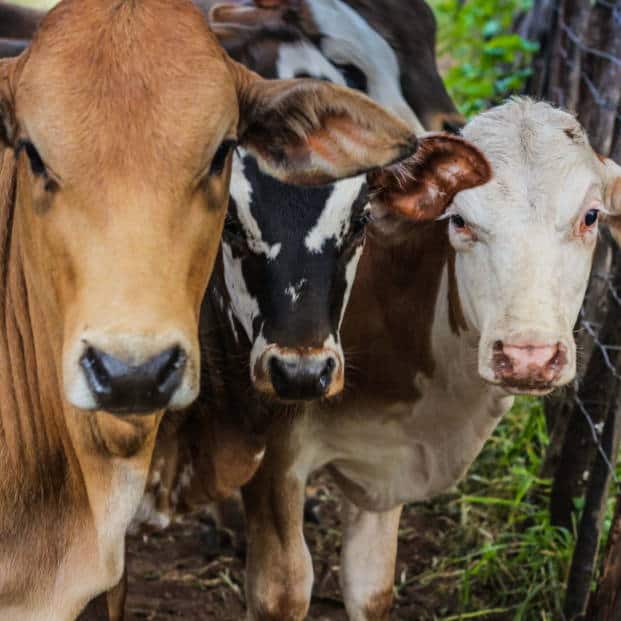
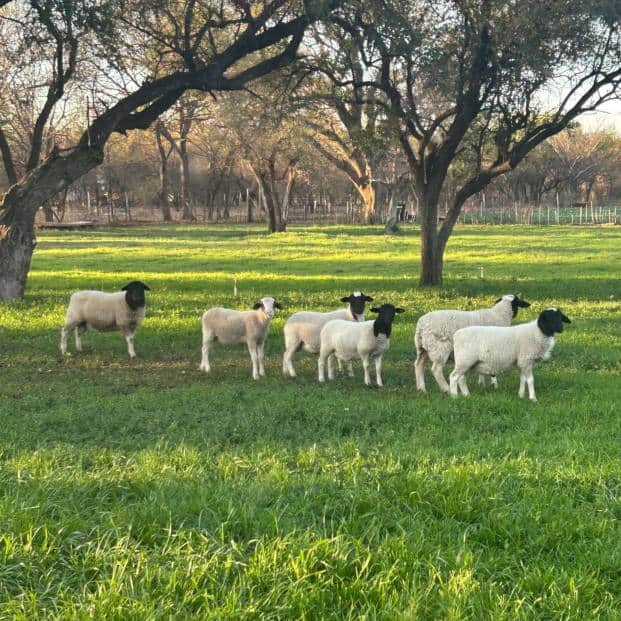
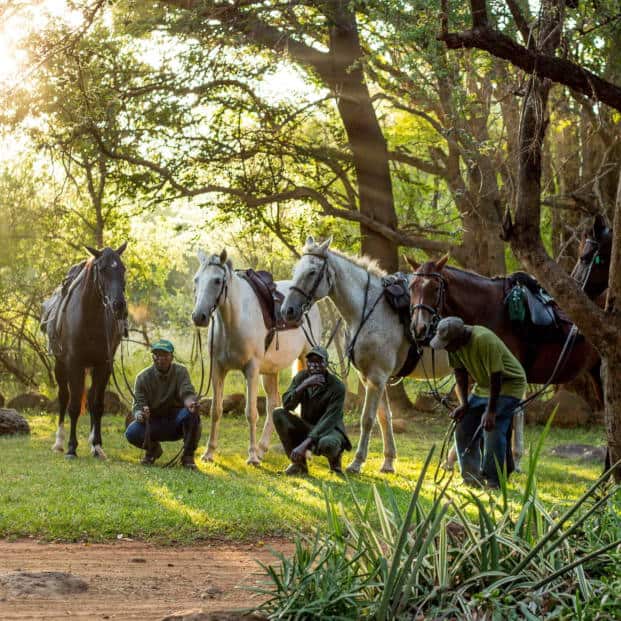
Alongside our wildlife, Cawston has a small section dedicated to our livestock – our small dairy herd, sheep, and horses.
Guests are welcome to photograph the various working areas including our anti-poaching unit during their working day. Join the grooms bringing in the horses for the morning routine.
Follow the livestock herder moving animals or visit at the morning milking.
These are things that happen every day on this ranch, and guests with cameras are welcome to be there when they do.
What Camera Equipment To Bring
You do not necessarily need professional equipment to leave Cawston with great photographs. What matters more is knowing your gear before you arrive.
For general game drives and mammals: a zoom lens in the 70–200mm or 100–400mm range is optimal. Light conditions at dawn and dusk on Cawston can be perfect for that “golden hour” shot. A kit lens on a DSLR, or a compact or bridge camera, will still produce strong results.
For birds, the same principles apply as wherever you currently photograph birds, but the light in Africa is generous. From the hides, smaller birds can be reached with 300–400mm when they approach closely. For smaller species at greater distances, 500–800mm is optimal. Teleconverters perform well in Africa’s good light but are worth treating carefully — the dust here is real, particularly in the dry months.
For the vulture restaurant hide: up to 500mm is ideal. At longer focal lengths, close subjects may not fit the frame.
Crop sensor cameras: if your camera has a crop sensor (DX format), multiply your focal length by your crop factor — typically 1.5x or 1.6x — when comparing to these recommendations. A 300mm lens on a crop sensor gives you the equivalent reach of 450–480mm on a full-frame body, which works in your favour for birds and smaller species.
A tripod or monopod: worth bringing if you can. Essential for the hides and useful around Camp. On horseback and at the Carmine Bee-eater colony, hand-holding works well — the subjects move fast enough that a tripod becomes a hindrance.
Practical Notes:
Matabeleland is dry and dusty between May and October. Bring covers for cameras and lenses, and clean your gear at the end of each day. Carry more memory cards and spare batteries than you think you will need. Each room is supplied with 3-pin South Africa round & UK 3-pin square plugs as well as multiway plugs that can take EU, Australia, and USA plugs.
Please note that our power is 220 volts. Most electronic items will charge fine on this, but please check your own equipment requirements and bring your own power converters if necessary. We run on mains electricity, but when there is a power cut, we have a backup generator that runs for 3 -4 hours in the evening, which should be sufficient to recharge batteries.
If you are unsure what to bring for the specific subjects you want to photograph, contact us before you travel. We would rather help you pack correctly than have you arrive under-equipped for what the ranch offers.
Guided Photographic Safaris
Photography during a general stay is self-directed from the hides, with ranch guides available to advise on wildlife movement and waterhole activity. For dedicated photography trips, two options are available.
The Zimbabwe Birding and Photography Safari with Jeremy Smith takes guests on a circuit from the granite hills of Matobo National Park through Cawston and on to Victoria Falls and the Zambezi below the falls — three dramatically different environments, each with its own species, light conditions, and landscape. Jeremy is also on hand to advise on camera use.
The Annual Carmine Bee-eater Safari
Our next safari is in November 2026 – Contact us for availability and further information.
The Annual Carmine Bee-eater Safari, led by resident guide Sean Nicolle, offers a two-day safari to a nesting colony during November and December. For bird photographers, this is one of the most kinetic and colourful subjects in southern Africa. Hand-holding is recommended — the birds move constantly and a tripod will slow you down.
Our 2026 dates for the Carmine Safari are:
- 6-8 November
- 27-29 November
- 4-6 December
Contact us for further information, or download our flyer.
A Note on Self-Directed Photography
The hides are yours to use independently. The ranch moves at its own pace, and so, here, should you. Guests who find unstructured, patient photography most rewarding tend to find Cawston most rewarding in return.
If you want to photograph everything — wildlife, working ranch, people, horses, the sky at night — there is enough here to fill every hour of a week. If you want to sit in a hide for three hours waiting for a Martial Eagle to land at the waterhole’s edge, that is equally available.
Both are valid. Both happen here regularly.